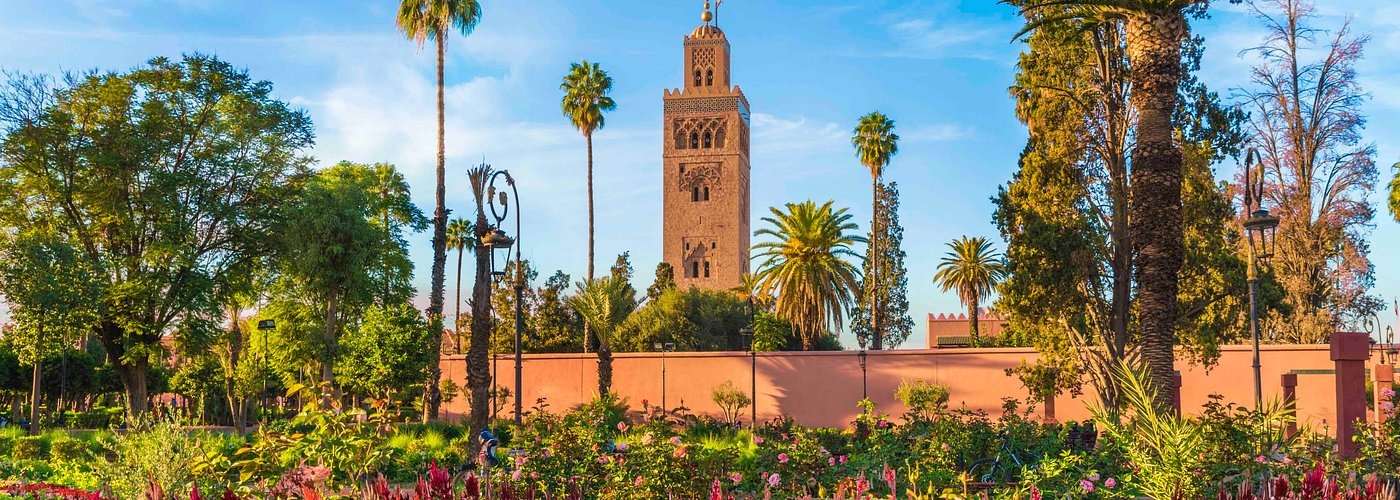
Morocco – 2028
per person
11 Days 10 Nights
16+
Age
“Where Africa Meets the Arab World”
- Multi-city itinerary (Marroc+ surprise destination)
- 5-star accommodations only
- All-inclusive: meals, transport, guided excursions, airport support
- Built-in rest days and wellness moments
- Family-centered but open to all
- Limited to 50 people / 15 families
- Early access given to POMA alumni
This isn’t a tour. It’s a homecoming.
0
Reviews
-
Departure/Return Location
JF Kennedy Airport -
Departure Time
Please arrive by 9:15 AM for a departure at 9:30 AM -
Return Time
Approximately 8:30 PM -
Dress Code
All white -
Included
AccommodationFlightsGuideInsurance -
Not Included
MealsTransport
From our gallery
Discover powerful moments captured across Morrocco — a vibrant blend of culture, pride, and everyday life. Each image tells a story.


Tour Plan
1
Morocco – 7 Days Desert & Imperial Cities
1 – Day 1: Arrival in Casablanca
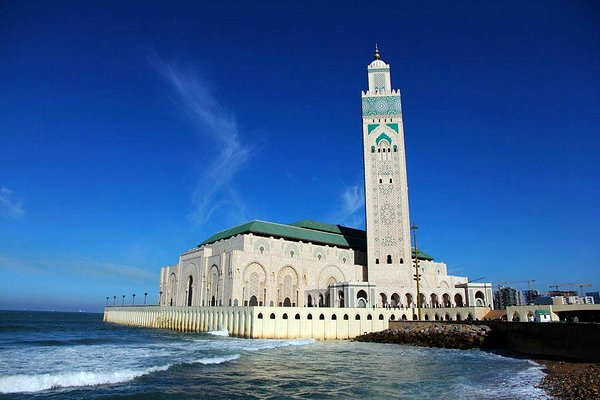
- Arrive in Casablanca, visit Hassan II Mosque, and overnight stay.
- Airport transfer
- Hassan II Mosque tour
- Overnight in Casablanca
2 – Day 2: Rabat & Meknes
- Drive to Rabat (capital) then continue to Meknes.
- Rabat city tour
- Royal Palace & Kasbah visit
- Evening in Meknes
3 – Day 3: Volubilis & Fes
- Explore Roman ruins at Volubilis before heading to Fes.
- Guided Volubilis tour
- Arrival in Fes
- Overnight in riad
4 – Day 4: Explore Fes Medina
- Full-day tour of Fes, Morocco’s cultural heart.
- Medina & souks walk
- Visit traditional tanneries
- Dinner in Fes
5 – Day 5: Sahara Desert Experience
- Drive to Merzouga, ride camels into the Sahara, and camp under the stars.
- Camel trek
- Desert sunset view
- Overnight in desert camp
6 – Day 6: Atlas Mountains Drive
- Travel through Atlas Mountains to Marrakech.
- Scenic mountain drive
- Stop at Berber villages
- Arrival in Marrakech
7 – Day 7: Marrakech City Tour & Departure
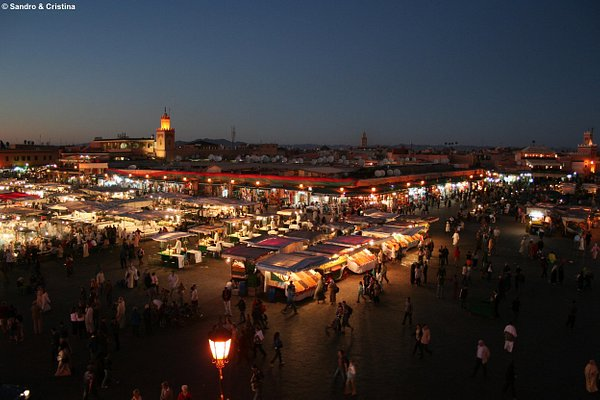
- Explore the vibrant souks, palaces, and gardens of Marrakech.
- Jardin Majorelle & Bahia Palace
- Souk shopping
- Airport transfer for departure
Tour Location
Morocco – History
Morocco, often called the “Gateway to Africa”, has a history shaped by Berber dynasties, Arab influence, and European connections. Its ancient cities — Marrakech, Fes, Meknes, and Rabat — reflect centuries of culture, trade, and empire building. Morocco was never fully colonized but became a French and Spanish protectorate in the early 20th century. It regained independence in 1956 and today blends Arab, Berber, and European traditions, making it one of the most unique cultural destinations in the world.
Ancient & Early History (Before 7th Century)
- Inhabited since prehistoric times by Berber (Amazigh) peoples.
- Influenced by Phoenician traders, Carthaginians, and later the Romans (as part of Mauretania Tingitana).
- Christianity and Judaism were present before the arrival of Islam.
Islamic Dynasties (7th – 15th Century)
- Islam was introduced in the 7th century by Arab expansion.
- Several Berber-led dynasties rose to power:
- Idrisid Dynasty (788–974) – founded the first Moroccan state.
- Almoravid & Almohad Dynasties (11th–13th centuries) – expanded influence across North Africa and Spain.
- Marinid Dynasty (13th–15th centuries) – strengthened Morocco’s role in trans-Saharan trade.
Saadian & Alaouite Dynasties (16th – Present)
- Saadian Dynasty (16th century) – resisted Ottoman expansion and European influence.
- Alaouite Dynasty (from 17th century) – Morocco’s current ruling dynasty, beginning with Sultan Moulay Rashid.
Colonial Period (1912 – 1956)
- Morocco became a French protectorate, with parts under Spanish control (e.g., Spanish Sahara, northern regions).
- Unlike many African nations, Morocco was never fully colonized but maintained a distinct monarchy.
Modern Morocco (1956 – Present)
- Gained independence in 1956 under King Mohammed V.
- His successors, King Hassan II and current King Mohammed VI, oversaw modernization, economic reforms, and expanded ties with Africa, Europe, and the Arab world.
- Today, Morocco is known for its stability, cultural richness, and heritage sites, such as the medinas of Fes and Marrakech, which are UNESCO World Heritage sites.