
Sierra Leone
“The Lion Mountains of Strength and Freedom”
- Multi-city itinerary
- 5-star accommodations only
- All-inclusive: meals, transport, guided excursions, airport support
- Built-in rest days and wellness moments
- Family-centered but open to all
- Limited to 50 people / 15 families
- Early access given to POMA alumni
This isn’t a tour. It’s a homecoming.
-
Departure/Return Location
JF Kennedy Airport -
Departure Time
Please arrive by 9:15 AM for a departure at 9:30 AM -
Return Time
Approximately 8:30 PM -
Dress Code
All white -
Included
AccommodationFlightsGuideInsurance -
Not Included
MealsTransport
From our gallery
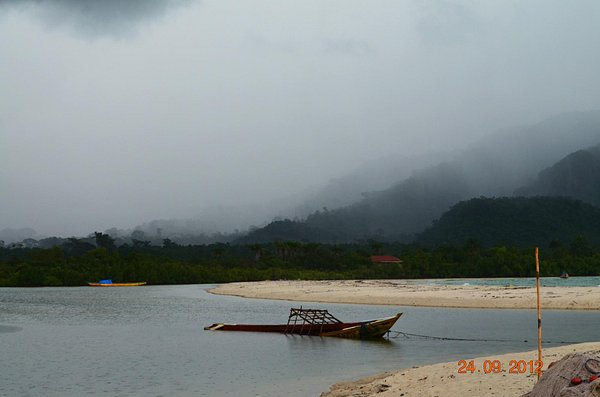
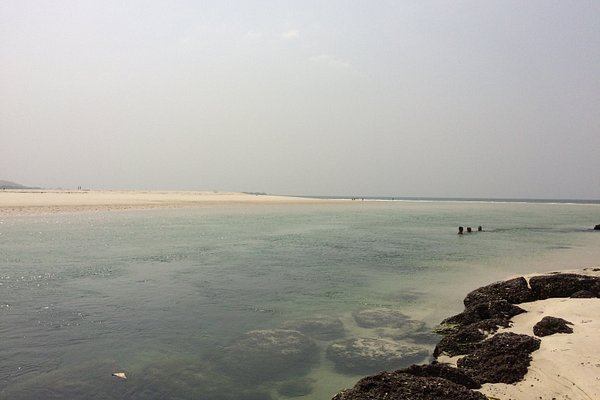
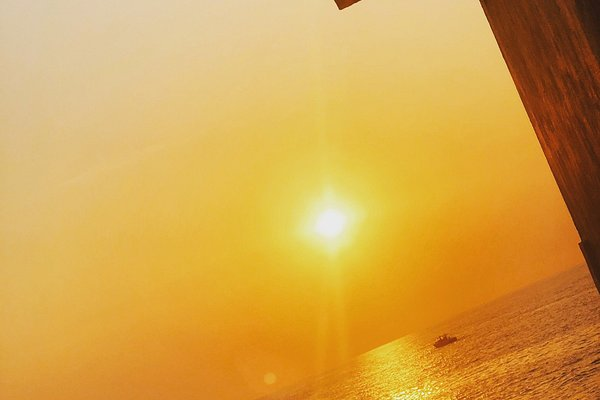
Discover powerful moments captured across Sierra leone — a vibrant blend of culture, pride, and everyday life. Each image tells a story.


Tour Plan
Sierra Leone – 5 Days History & Beaches
1 – Day 1: Arrival in Freetown
Arrive in Sierra Leone’s capital.
- Airport pickup
- Transfer by boat to Freetown
- Hotel check-in
2 – Day 2: Freetown Historical Tour
Explore heritage sites and museums.
- Cotton Tree & National Museum
- Old Fourah Bay College
- Lumley Beach sunset
3 – Day 3: Bunce Island Excursion
Boat trip to Bunce Island, an important slave trade site.
- Guided heritage tour
- Picnic lunch
- Evening at leisure
4 – Day 4: Tokeh & River No.2 Beach
Relax on some of West Africa’s most stunning beaches.
- Swimming & beach activities
- Fresh seafood lunch
- Overnight stay
5 – Day 5: Departure
Morning shopping and transfer to airport.
- Souvenir market visit
- Airport drop-off
Tour Location
Sierra Leone – History
Sierra Leone, known as the “Lion Mountains”, has a unique history tied to both African heritage and the return of freed slaves. Its capital, Freetown, was founded in the late 18th century as a settlement for formerly enslaved Africans returning from Britain and the Americas. The country became a British colony before gaining independence in 1961. Sierra Leone later endured a tragic civil war (1991–2002), but has since rebuilt and is now celebrated for its beautiful beaches, rich culture, and resilient spirit.
Early History (Pre-15th Century)
- Inhabited for thousands of years by ethnic groups such as the Mende, Temne, Limba, and Krio.
- Coastal regions engaged in trade with neighboring communities before European contact.
European Contact & Slave Trade (15th – 18th Century)
- Portuguese explorers arrived in the 15th century, naming the region Serra Lyoa (“Lion Mountains”).
- From the 16th to 18th centuries, Sierra Leone became a major center of the Atlantic slave trade, with thousands of Africans shipped to the Americas.
Freetown & British Colonial Rule (1787 – 1961)
- In 1787, freed slaves from Britain established a settlement at what became Freetown.
- Additional groups of freed Africans from the Americas and the Caribbean joined, forming the Krio (Creole) community.
- Sierra Leone became a British colony in 1808, with Freetown as its capital.
- It later served as a center for British anti-slavery operations in West Africa.
Independence & Civil War (1961 – 2002)
- Gained independence from Britain in 1961.
- After years of political instability, a brutal civil war broke out in 1991, fueled by struggles over power and diamond resources.
- The war lasted until 2002, leaving deep scars but also a story of resilience.
Modern Sierra Leone (2002 – Present)
- Since the end of the war, Sierra Leone has rebuilt democratic institutions and promoted peace.
- Known today for its hospitality, vibrant culture, and natural beauty, especially its white sandy beaches and rainforests.
- Freetown remains a historic city symbolizing freedom and resilience.