

Ghana 2024
“Gateway to Africa and Home of Freedom”
- Multi-city itinerary
- 5-star accommodations only
- All-inclusive: meals, transport, guided excursions, airport support
- Built-in rest days and wellness moments
- Family-centered but open to all
- Limited to 50 people / 15 families
- Early access given to POMA alumni
This isn’t a tour. It’s a homecoming.
-
Departure/Return Location
JF Kennedy Airport -
Departure Time
Please arrive by 9:15 AM for a departure at 9:30 AM -
Return Time
Approximately 8:30 PM -
Dress Code
All white -
Included
AccommodationFlightsGuideInsurance -
Not Included
MealsTransport
From our gallery
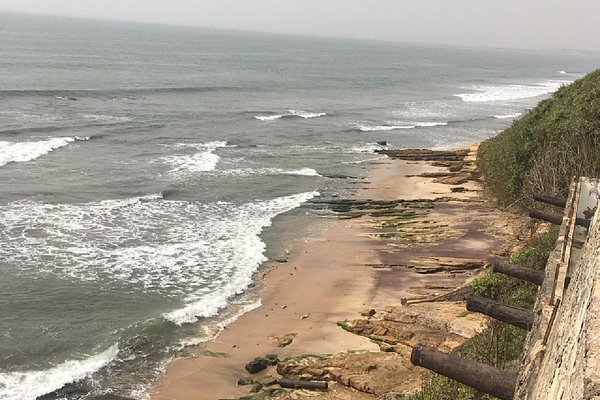
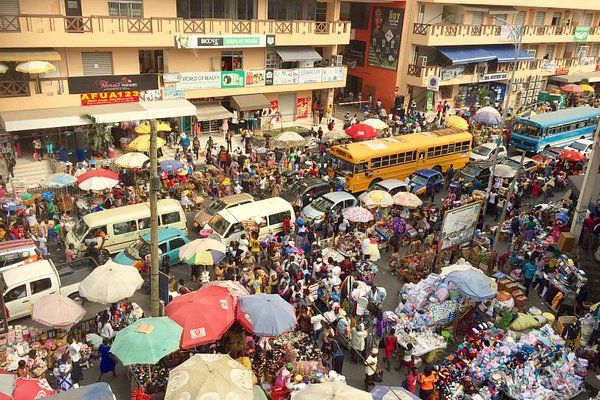
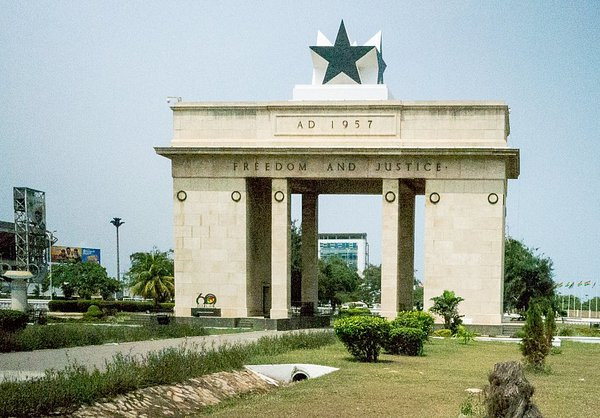
Discover powerful moments captured across Ghana — a vibrant blend of culture, pride, and everyday life. Each image tells a story.
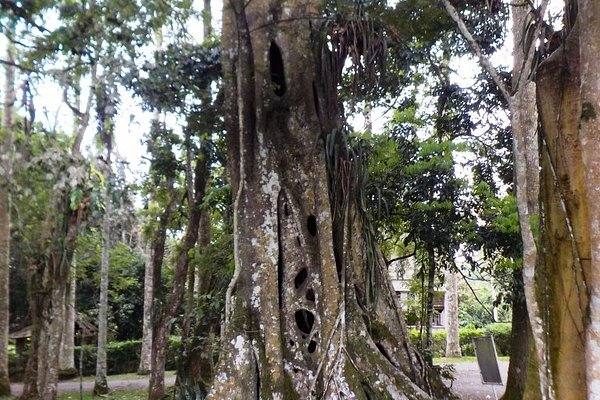
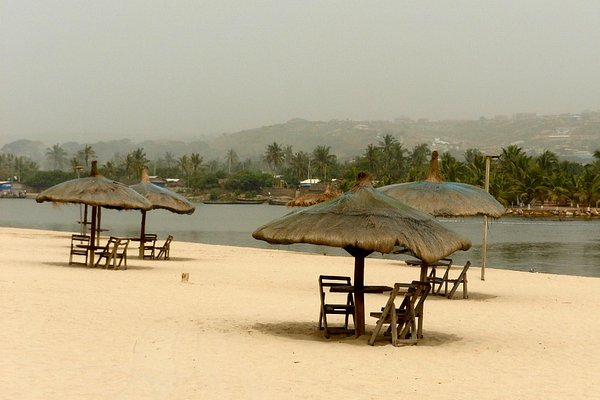

Tour Plan
Ghana – 6 Days Heritage & Culture
1 – Day 1: Arrival in Accra
Meet your guide and transfer to hotel.
- Orientation drive
- Overnight stay
2 – Day 2: Accra City Tour
Explore historic and cultural sites.
- Kwame Nkrumah Mausoleum
- W.E.B. Du Bois Center
- Arts & crafts market
3 – Day 3: Cape Coast Castle
Drive to Cape Coast for slave trade history.
- Guided tour of Cape Coast Castle
- Visit Elmina Castle
- Beachside stay
4 – Day 4: Kakum National Park
Walk the famous canopy walkway in Kakum.
- Rainforest nature walk
- Cultural drumming & dance show
5 – Day 5: Ashanti Kingdom – Kumasi
Travel to Kumasi, heart of the Ashanti.
- Manhyia Palace Museum
- Kejetia Market
- Overnight in Kumasi
6 – Day 6: Departure
Return to Accra for flight.
- Shopping stop
- Airport transfer
Tour Location
Ghana – History
Ghana, once known as the Gold Coast, has a proud history of great kingdoms, rich culture, and leadership in African independence. It was home to powerful empires like the Ashanti and became a major center of the trans-Atlantic slave trade. In 1957, Ghana became the first African country south of the Sahara to gain independence, led by Kwame Nkrumah. Today, Ghana is celebrated for its welcoming people, vibrant traditions, and historic landmarks like Cape Coast Castle.
Ancient Kingdoms
- Ghana’s history includes the rise of empires such as the Ashanti Empire (17th–19th centuries), known for wealth, trade, and military power.
European Contact
- Portuguese arrived in 1471, followed by Dutch, British, and others who traded in gold and enslaved Africans.
Colonial Rule
- Britain consolidated power in the 19th century, naming it the Gold Coast colony.
Independence
- In 1957, under Kwame Nkrumah, Ghana became the first African country to gain independence.
Modern Era
- Ghana has since become a symbol of African freedom, stability, and culture, with Accra as its capital.