
Tanzania
“Cradle of Humankind and Safari Paradise”
- Multi-city itinerary
- 5-star accommodations only
- All-inclusive: meals, transport, guided excursions, airport support
- Built-in rest days and wellness moments
- Family-centered but open to all
- Limited to 50 people / 15 families
- Early access given to POMA alumni
This isn’t a tour. It’s a homecoming.
-
Departure/Return Location
JF Kennedy Airport -
Departure Time
Please arrive by 9:15 AM for a departure at 9:30 AM -
Return Time
Approximately 8:30 PM -
Dress Code
All white -
Included
AccommodationFlightsGuideInsurance -
Not Included
MealsTransport
From our gallery
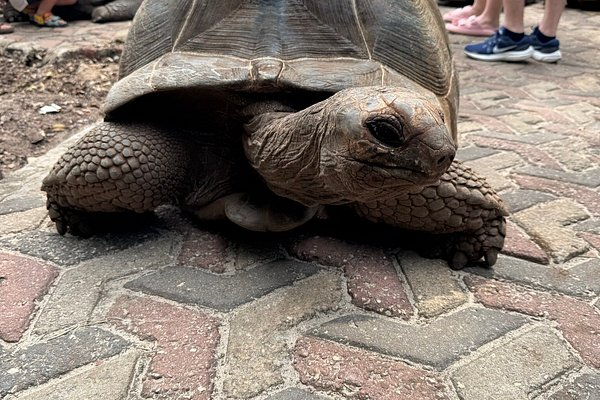
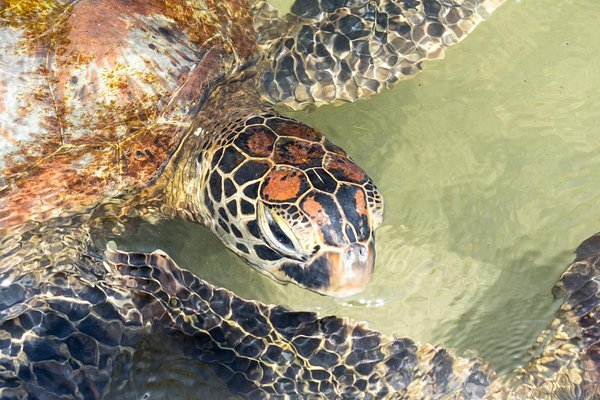
Discover powerful moments captured across Tanzania — a vibrant blend of culture, pride, and everyday life. Each image tells a story.


Tour Plan
Tanzania – 7 Days Safari & Zanzibar
1 – Day 1: Arrival in Arusha
Arrive in Arusha, meet guide and relax before the safari.
- Airport pickup
- Safari briefing
- Overnight stay in Arusha
2 – Day 2: Tarangire National Park
Game drive in Tarangire, known for elephants and baobabs.
- Full-day safari
- Picnic lunch in the park
- Overnight at lodge
3 – Day 3: Serengeti National Park
Drive into the famous Serengeti plains.
- Scenic drive
- Afternoon game drive
- Sunset at Serengeti
4 – Day 4: Serengeti Safari Adventure
Morning and evening game drives in Serengeti.
- Search for Big Five
- Optional hot air balloon ride
- Overnight in camp/lodge
5 – Day 5: Ngorongoro Crater
Descend into Ngorongoro Crater for wildlife viewing.
- Morning crater safari
- Spot rhinos and flamingos
- Drive back to Arusha
6 – Day 6: Zanzibar Island
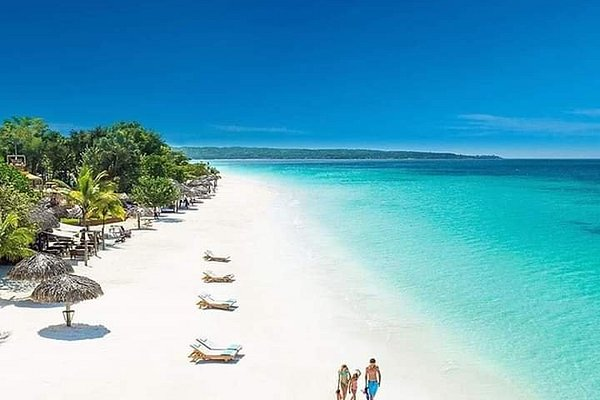
Fly to Zanzibar and relax on pristine beaches.
- Domestic flight
- Stone Town walk
- Beach resort stay
7 – Day 7: Beach & Departure
Relax by the Indian Ocean before departure.
- Free morning at leisure
- Airport transfer
Tour Location
Tanzania
Tanzania – History
Tanzania is often called the cradle of humankind because of the famous fossils found in Olduvai Gorge, showing some of the earliest human ancestors. For centuries, the Swahili Coast was a hub of trade with Arabs, Persians, and Indians, shaping the country’s language and culture. Later, Tanzania came under German and then British colonial rule. After independence in 1961, under Julius Nyerere, the country became known for unity and the promotion of Swahili as a national language. Today, Tanzania is celebrated for its stability, rich culture, and world-famous attractions like Serengeti National Park and Mount Kilimanjaro.
Early Human Origins (Prehistory)
- Fossil discoveries in Olduvai Gorge and Laetoli provide evidence of some of the earliest human ancestors, dating back over 2 million years.
- This makes Tanzania a vital location in the study of human evolution.
Swahili Coast & Indian Ocean Trade (8th – 15th Century)
- Coastal towns like Zanzibar, Kilwa, and Bagamoyo flourished as part of the Swahili Coast, trading gold, ivory, and slaves with Arabs, Persians, and Indians.
- Islam spread widely, blending with local Bantu cultures and creating the Swahili language and identity.
Colonial Rule (1880s – 1961)
- The mainland (Tanganyika) became part of German East Africa in the late 19th century.
- After World War I, it was taken over by Britain as a mandate territory.
- Zanzibar, meanwhile, remained under Arab influence until becoming a British protectorate.
Independence & Union (1961 – Present)
- Tanganyika gained independence in 1961, led by Julius Nyerere.
- In 1964, Tanganyika and Zanzibar merged to form the United Republic of Tanzania.
- Nyerere promoted Ujamaa (African socialism) and made Swahili the national language to strengthen unity.
- Tanzania played a leading role in supporting African liberation movements during the 20th century.
- Today, it is known for peace, unity, and as one of Africa’s most iconic travel destinations.